The person in the room: why staff expertise is a brand strategy question
In any luxury boutique, the most consequential moment before a purchase isn't the object under the light. It's the conversation that determined which object appeared there at all.
Accenture's Luxe Eternal 2026 put a number to what that moment is worth. Seventy-six percent of luxury customers say staff expertise shapes their brand engagement more than any other factor measured. It is the kind of finding that tends to outlast the report containing it.
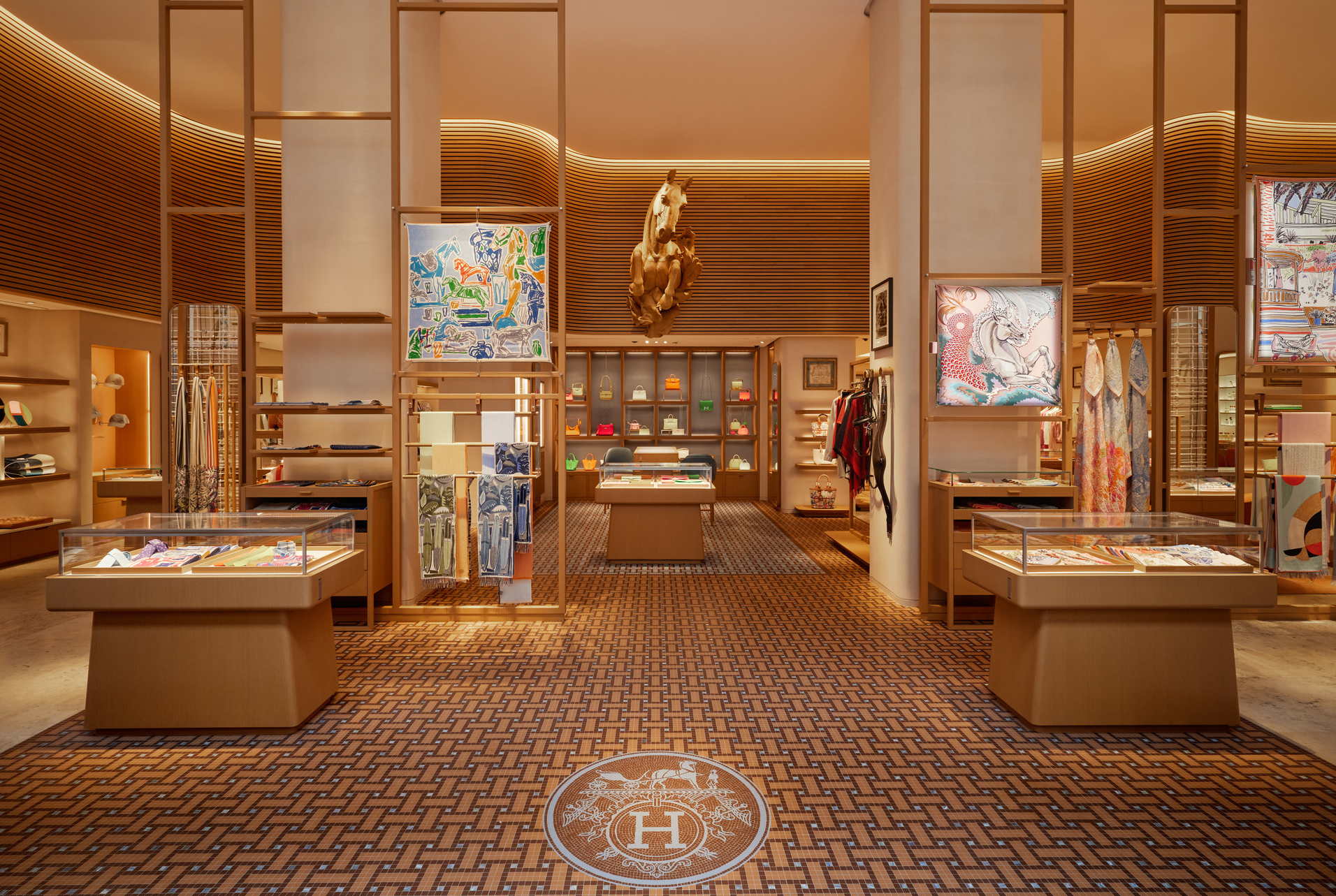
The finding sits inside a broader story the industry knows well. Luxury remains financially resilient despite tariffs, uneven demand, and a contracting Chinese market. But loyalty is becoming harder to earn. Half of customers now feel brands have become more profit-driven than dream-making. A third find them less distinctive. A third see value declining.
The industry has responded with energy. Sixty percent of leading houses changed creative leadership within eighteen months, a near-simultaneous search for renewed relevance expressed through new aesthetic directions, reimagined retail concepts, and reset visual identities. These are serious investments made by serious people. They address what is visible. They are less equipped to address what is felt.
Luxury operates on two registers at once. There is the functional object and there is everything the object means: the provenance, the scarcity, the signal it sends about the person who carries it. Brand strategy in luxury is, at its core, the management of that second register.
What the Accenture data makes visible is that this second register is not delivered by any single element of the brand system. It is assembled across all of them. The campaign contributes. The object itself contributes. The architecture of the boutique contributes. And the human encounter, the moment a client is received, read, and responded to by another person, contributes in ways that the data now makes difficult to ignore.
When they read a client correctly, when they anticipate rather than react, when they respond with the kind of unhurried attention that signals genuine knowledge, they are doing something no campaign can replicate on its own: transferring meaning in real time, between two people, in a moment that will not repeat.
Customers feel this acutely. The 76% are not rating friendliness. They are saying that the quality of human expertise they encounter determines how they feel about the brand itself. The staff member is not a service channel. They are a symbolic cue, operating within the same brand system as every visual and material decision the house makes.
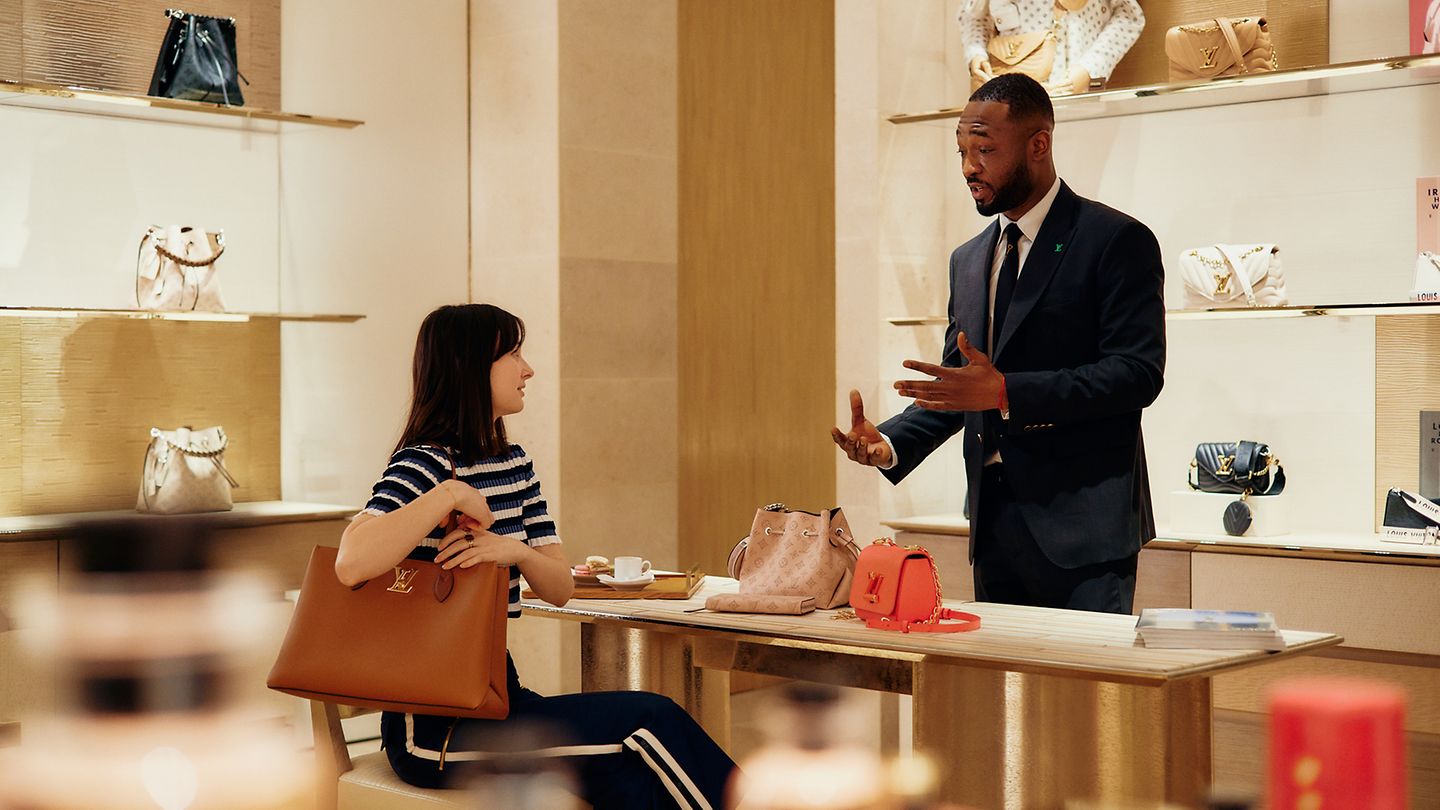
Accenture introduces a concept toward the end of the report that points in a compelling direction. The relational artisan: a client-facing figure who translates house values into lived moments, surfaces emerging client signals, and feeds those realities back into creative direction. Not a sales advisor operating a script. A curator of meaning, positioned at the closest point to the client.
It is the most original idea in the report, and the one with the longest implications.
Houses have invested with extraordinary care in two things: the object and the environment. Craft, architecture, visual identity, retail experience. These investments are visible, considered, and legible to the market. The person operating within that environment has been trained with equal seriousness in the best houses, but the industry now has data suggesting that elevating this role further, treating client-facing expertise as a primary driver of brand desirability rather than a support function surrounding it, represents one of the clearest opportunities available.
The metrics, however, have not yet caught up. Conversion remains the dominant measure of client-facing performance. What the relational artisan concept asks for is a different kind of accounting: one that captures depth of engagement, continuity of relationship, and the quality of the encounter itself. These are harder to measure. They are not harder to value.
Luxury has always known that an object can carry more meaning than its function justifies. What this data suggests is that the person presenting that object is part of the same symbolic system, not a support function surrounding it. The houses that bring the same intentionality to the human encounter that they bring to craft and design will find something the current wave of creative resets cannot deliver on its own: a loyalty that holds precisely because it was built between people, not just between a customer and a logo.