The host at the door: who greets the visitor when a house brings resale home
Most of what has been written about The Watch Keepers concerns what Audemars Piguet is selling and how. Far less concerns who is standing at the door.
The detail sits in the launch material, between the warranty and the bidding option, and it is easy to read past. It deserves a slower look, because the way a house greets a visitor says more about it than any feature list.
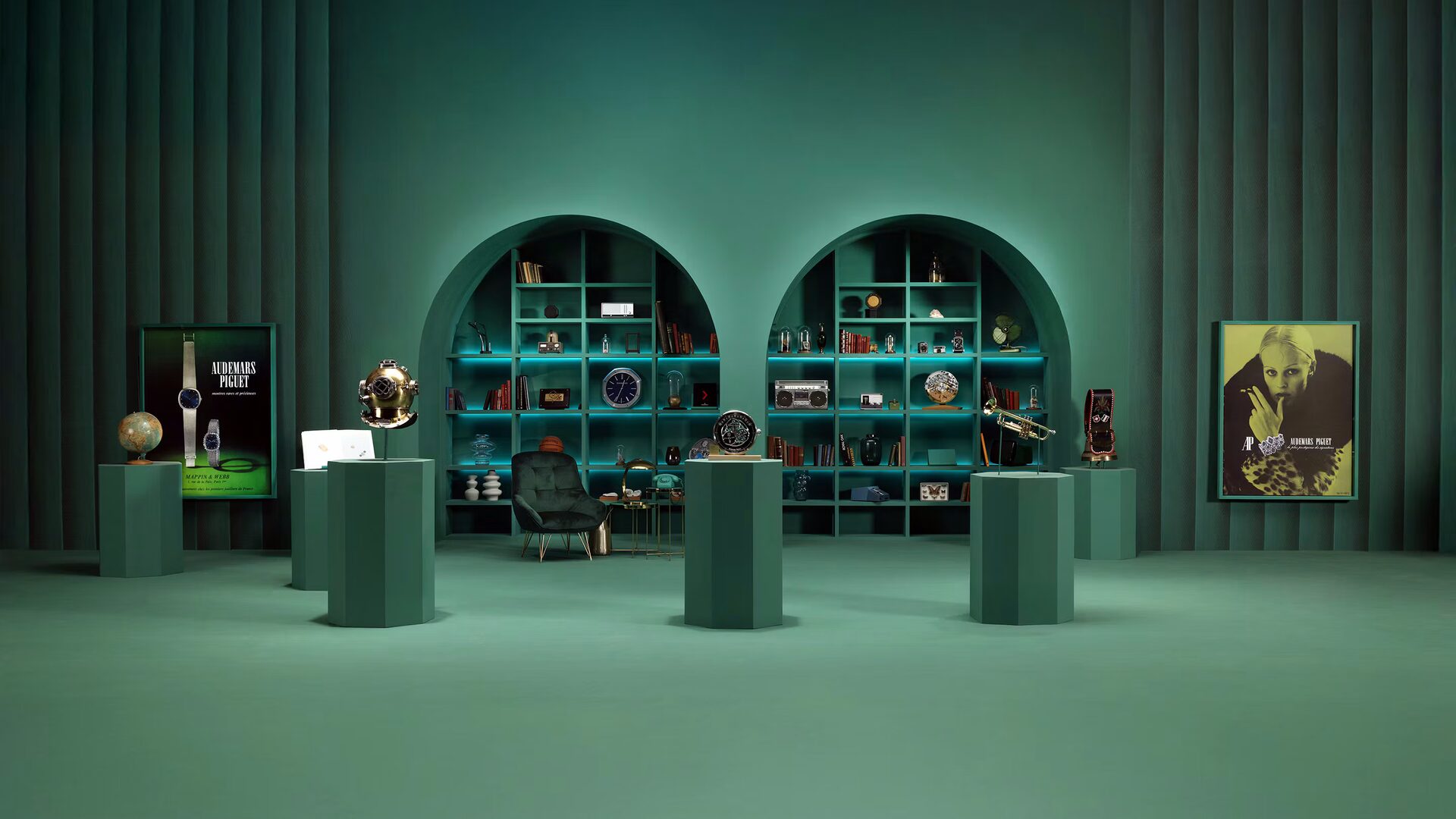
On 26 October, Audemars Piguet launched The Watch Keepers, its own platform for buying and selling certified pre-owned watches. It is live in Switzerland and Europe. Every watch is authenticated by the manufacture's watchmakers, cross-checked against its archives and covered by a two-year warranty. Sellers choose between a fixed price and a bidding window.
The platform is presented as a villa. Visitors move from room to room, and guides lead the way. According to the launch material, the guides are Expert Watch Keepers, real members of the AP team rendered as digital avatars. Ilaria Resta, the CEO, framed the service as a welcome to anyone curious about the house's world.
A resale marketplace does not need a host. It needs listings, prices and a button to press. AP added people.
The reasoning is not hard to reconstruct. A second-hand purchase carries a doubt that a new one does not: whether the watch is what it claims to be. The usual answer is a document, and AP supplies one. Behind the document, though, luxury has always kept a person. The associate who knows the reference, who has handled it, who can say how a watch will feel on the wrist after ten years. Online, that person is normally the first thing to go, replaced by a help icon and a response time.
AP kept the person and changed the medium. The choice of real employees matters. An invented mascot would have cost nothing and meant nothing, while a colleague rendered as an avatar brings a real workplace behind the screen. Add the colour-themed rooms, which give the whole platform an unexpected lightness, and the result is a deliberate tone that treats resale as a visit.
It is early. The platform is barely a week old, and how visitors respond to the guides remains to be seen.
Houses entering their own secondary market tend to be read through one question: control or profit. The better question comes earlier, and it concerns the door.
The mechanics of resale can be built by any house with the budget: authentication, warranty, logistics, a listing engine. These make a platform work. The feeling of the house comes from the first moment of contact, and AP has placed a member of its own staff there.
Control, if the word is wanted, is exercised through people. The thread that links a house to a watch after the first sale does not run through a database. It runs through whoever welcomes the next owner. Resale has traditionally happened outside the house's walls, among dealers and auction rooms, and bringing it inside means inheriting the responsibility of hospitality. The service can be systemised. The welcome has to be staffed.

When a house moves a service online, the first design decision is who stands at the door. AP answered with its own people and gave them a screen to stand behind. For any premium brand weighing a digital room of its own, that is the reference point: the technology can be bought, and the host has to be someone the house is willing to put its name to.